Ultra efficient solar inverters
power your home.

Everything your roof makes has to travel through the inverter first.

It converts the DC your panels produce into the AC that runs your house — and a hybrid looks after your battery too. These are the six we fit, set out side by side.

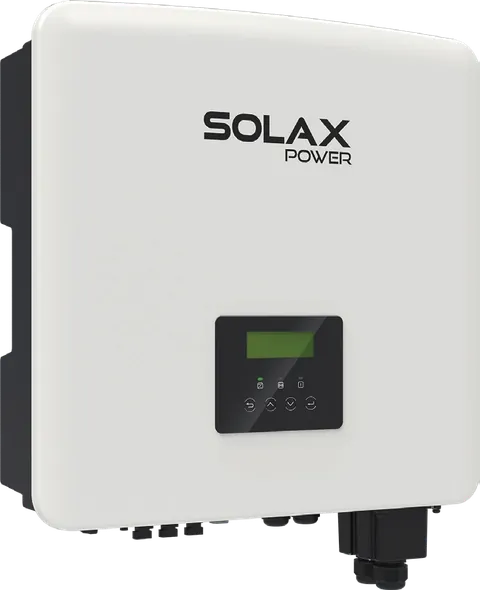
SolaX X1-VAST single phase hybrid inverter

Controlling energy
and power every day.

Panels can’t run your home on their own. The inverter turns what they produce into power your appliances can use, and how much of that generation you keep comes down to it.

  1. Your panels catch sunlight.

    The panels make DC power, and nothing indoors can use it in that form.

  2. The inverter changes it over.

    DC becomes AC: the current your lights, fridge and power points actually need.

  3. Your home uses the power first.

    Whatever’s running right now draws on it the moment it’s made.

  4. Spare solar is stored or exported.

    A hybrid can top up your battery and send the rest to the grid at the same time, so every bit your panels make gets used.

Every one of the six here is a hybrid. Put one in without a battery today, then add a matching battery whenever the budget allows — you won’t have to replace the inverter.

See which batteries they take

First question:
single phase or three?

Each inverter is made for one type of grid connection: single phase or three phase. Most Australian houses run single phase, while bigger homes and small commercial sites are often three.

Single phase.

How most Australian houses are wired.

Three phase.

For properties already on three-phase power — 5kW through to 30kW.

Don’t know which one you’ve got? There’s no guesswork involved. Your installer checks the connection at the site assessment, well before anything is signed off.

Built for single phase.

For houses wired single phase. The quote states the exact unit going on your wall — brand and model, with no swapping.

SolaX X1-VAST single phase hybrid inverter

SolaX X1-VAST

Single phase hybrid inverter — 5kW to 10kW

A single phase hybrid suited to the connection most Australian houses already run. It comes in three output sizes, so we can match your array and how much you really use rather than rounding you up.

Output sizes
5kW · 8kW · 10kW
Phase
Single phase
Inverter type
Hybrid
MPPT inputs
3 (5kW) · 4 (8kW & 10kW)
Grid compliance
AS4777-2 2020
CEC approved
Yes
Warranty
10 years
Worth knowing

The X1-VAST is ready for storage from day one: fit it now, add the battery whenever you’re ready. Each MPPT input can take one or more strings of panels, and CEC listing is what makes the STC rebate available.

Works with the SolaX T-BAT HS battery — up to 14.4kWh.

View SolaX X1-VAST details
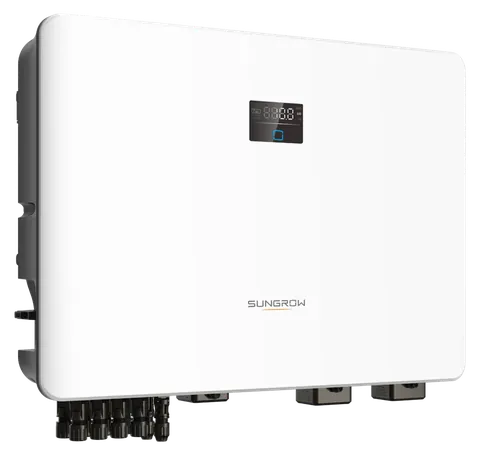
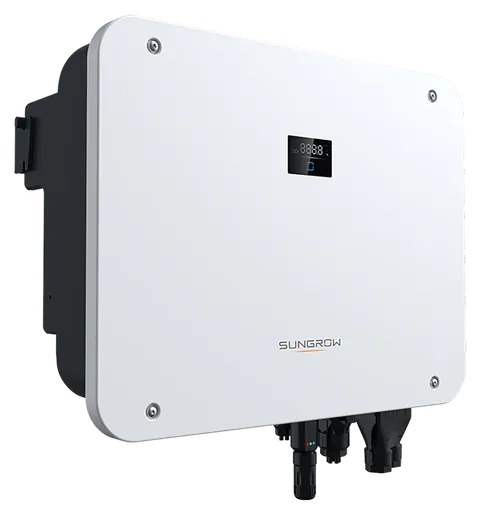
Sungrow SH-RS single phase high-voltage hybrid inverter

Sungrow SH-RS

Single phase hybrid inverter — 5kW to 10kW

A single phase high-voltage hybrid — the battery links up at 200V+, which cuts energy losses and keeps it running efficiently. The smart meter comes in the carton, not on a separate invoice.

Output sizes
5kW · 6kW · 8kW · 10kW
Phase
Single phase
Inverter type
High voltage hybrid
In the box
DTSU666-20 smart meter + 2×100A CTs (5kW & 6kW)
Smart meter + DC protection cover (8kW & 10kW)
Grid compliance
AS4777-2 2020
CEC approved
Yes
Warranty
10 years
Worth knowing

The SH-RS series was built for single-phase homes and nothing else, and it holds CEC approval, so the full Australian rebate is available on it.

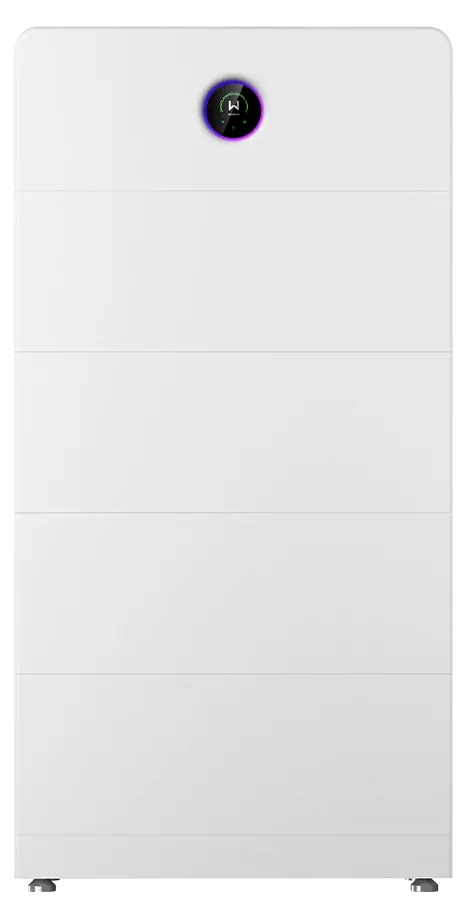
Works with the Sungrow SBH battery — 20kWh to 40kWh.

View Sungrow SH-RS details
GoodWe ESA single phase all-in-one hybrid inverter

GoodWe ESA

Single phase all-in-one hybrid inverter — 10kW

GoodWe builds the solar inverter, the battery charger and the battery management into one enclosure — a single box on the wall rather than three. There’s one size, 10kW, aimed at medium and larger single-phase homes.

Model
GW9.999KEHA-G20
Output
10kW
Phase
Single phase
Inverter type
All-in-one hybrid
Series
ESA all-in-one
Grid compliance
AS4777-2 2020
CEC approved
Yes
Warranty
10 years
Worth knowing

The ESA Series talks natively to GoodWe’s own stackable ESA battery modules — 8.32kWh apiece, made for this inverter and no other.

Works with the GoodWe ESA battery — 8.32kWh per module, stackable.

View GoodWe ESA Inverter details

Built for three phase.

For three-phase properties, from mid-sized arrays right up to 30kW commercial-scale systems.

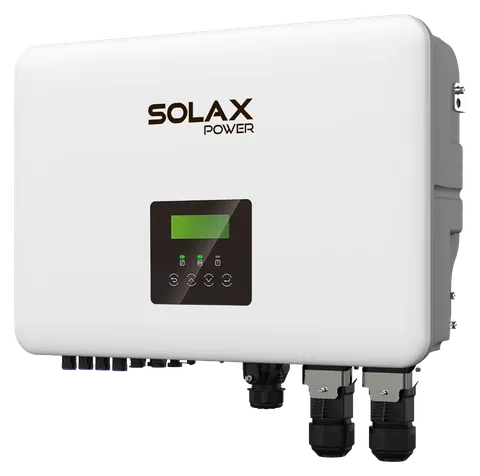
SolaX X3-Hybrid three phase hybrid inverter

SolaX X3-Hybrid

Three phase hybrid inverter — 5kW to 15kW

A three phase hybrid for households and small businesses already on three-phase power. Four sizes cover medium and large arrays, so spare generation can be stored for the evening or for an outage.

Output sizes
5kW · 8kW · 10kW · 15kW
Phase
Three phase
Inverter type
Hybrid
MPPT inputs
2
Grid compliance
AS4777-2 2020
CEC approved
Yes
Warranty
10 years
X3-Hybrid vs X3-ULT

The X3-Hybrid runs from 5kW–15kW. Above that sits the X3-ULT at 15kW to 30kW, built for bigger commercial or heavy-use sites, with 3 MPPT inputs where the X3-Hybrid has 2.

Works with the SolaX T-BAT HS battery — all sizes up to 46.8kWh.

View SolaX X3-Hybrid details
Sungrow SH-T three phase hybrid inverter

Sungrow SH-T

Three phase hybrid inverter — 5kW to 25kW

A single range stretches from 5kW to 25kW, covering larger houses and small commercial premises. At 15kW and above it switches to a high-voltage hybrid design, with the smart meter supplied in the box.

Output sizes
5kW · 10kW · 15kW · 20kW · 25kW
Phase
Three phase
Inverter type
Hybrid (5kW & 10kW)
High voltage hybrid (15–25kW)
In the box
DTSU666-20 smart meter + 6×100A CTs (15–25kW)
Grid compliance
AS4777-2 2020
CEC approved
Yes
Warranty
10 years
Worth knowing

The bigger SH-T models (15kW–25kW) sit well on small commercial premises and homes that use a lot of power. Any three phase inverter needs a three-phase grid connection, which we confirm at your site assessment.

Works with the Sungrow SBH battery — 20kWh to 40kWh.

View Sungrow SH-T details
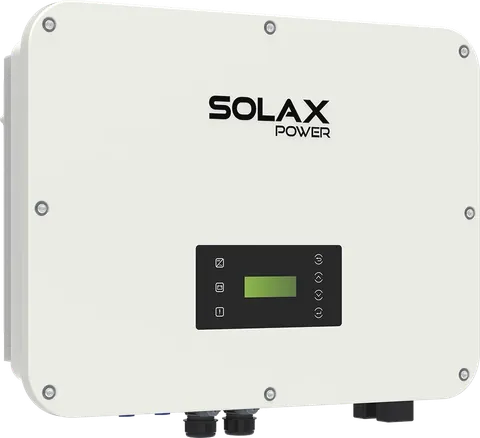
SolaX X3-ULT high-capacity three phase hybrid inverter

SolaX X3-ULT

Three phase hybrid inverter — 15kW to 30kW

The largest unit here: a three phase hybrid for big homes and commercial sites with large arrays spread over several panel strings. Its three MPPT inputs give your installer more freedom with roof orientation and how the strings are laid out.

Output sizes
15kW · 20kW · 25kW · 30kW
Phase
Three phase
Inverter type
Hybrid
MPPT inputs
3
Grid compliance
AS4777-2 2020
CEC approved
Yes
Warranty
10 years
Who it’s for

Big households with heavy power use, commercial premises, and three-phase sites with plenty of roof going spare.

Works with the SolaX T-BAT HS battery — stacks up to 46.8kWh.

View SolaX X3-ULT details

Common inverter questions,
straight answers.

Where the answer comes down to your own site, we’ll say so.

So what makes one a “hybrid”?

A hybrid looks after the panels and a battery at once. The one unit charges the battery off your solar, draws it back down after dark, and handles the grid connection as well.

Can the battery come later?

It can. Each of the six here is a hybrid, so you can go ahead without storage now and add a matching battery when the budget allows. Every product above names the battery it works with.

What makes a hybrid “high voltage”?

It describes the voltage the battery connects at, usually 200V or more. Running higher means less energy lost along the way and a battery that works more efficiently.

Does a three phase inverter need three-phase power?

It does — a three-phase grid connection is essential. Most Australian houses are single phase, so your installer checks what you have at the site assessment.

What does CEC approval get me?

Without CEC approval you can’t claim STCs, the Australian solar rebate. All six inverters here are CEC approved and meet AS4777-2 2020, the Australian grid standard.

How are these inverters warranted?

Each one carries 10 years manufacturer warranty once registered, and we do the registering for you, with the paperwork filed in your system logbook. The install work itself sits under our 10-year workmanship warranty.

Which inverter belongs
on your wall?

Send us your bill first. We look at your connection, your usage and your roof, then name the model and itemise the price.